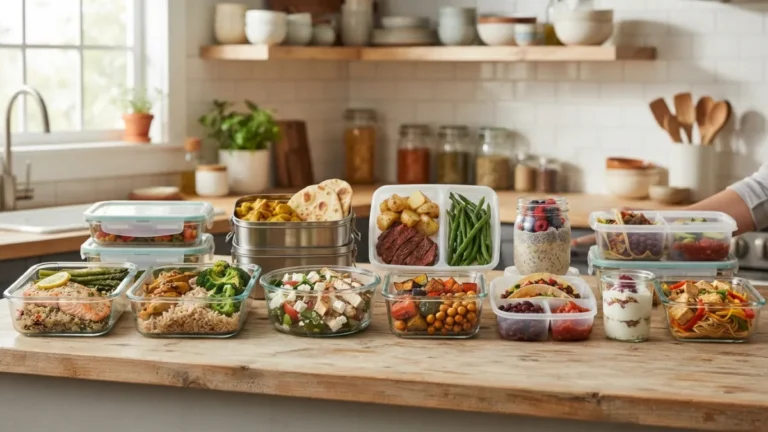

Weekly Meal Plan: 7 Simple Steps You’ll Actually Follow
Sunday night rolls around, and you’re staring into a fridge full of mystery leftovers, wondering why you bought spinach that’s now liquid. Sound familiar? A solid weekly meal plan can fix that chaos, but only if it’s built around your actual life instead of some Pinterest-perfect fantasy. Most people quit meal planning within a few weeks because the plan they made was too rigid, too fancy, or too disconnected from how busy their Tuesday nights really are. The good news is that a meal plan that sticks isn’t complicated. It just needs the right structure, a bit of honesty about your schedule, and a system you can repeat without reinventing it every single week.
Why Most Meal Plans Fail Before They Start
The typical meal plan dies for one of three reasons: it’s too ambitious, too boring, or too disconnected from what’s already in your kitchen. People often sit down on a Sunday, get inspired by a recipe blog, and plan seven completely different, complicated dinners. By Wednesday, exhaustion wins and takeout happens anyway. A better approach treats meal planning as a flexible framework rather than a strict contract. According to Harvard’s Nutrition Source, consistent, realistic eating patterns matter more for long-term health than perfect, restrictive meals eaten for a week and then abandoned. That’s really the whole philosophy behind the seven steps below: build something simple enough that it survives contact with real life. If you want to dig deeper, our guide on A Beginner's Guide to Sunday Meal Prep covers this in more detail. This is a common part of dealing with weekly meal plan, and it is worth keeping in mind.
How to Build a Weekly Meal Plan in 7 Simple Steps
Once you understand why plans fall apart, building one that actually works becomes a lot more manageable. The steps below aren’t about becoming a meal-prep influencer overnight. They’re about creating a rhythm you can repeat, adjust, and rely on, even on weeks when life gets messy. Each step builds on the last, so by the time you reach step seven, you’ll have a full system rather than just a list of recipes. Feel free to adapt the order slightly to fit your own routine, but try to hit all seven pieces at least once before deciding whether meal planning “works” for you. Many people run into this exact issue with weekly meal plan at some point.
Step 1: Audit Your Actual Week Before You Plan Any Meals
Before choosing a single recipe, look honestly at your schedule. Which nights involve late meetings, gym classes, or kids’ activities that leave zero energy for cooking? Which nights are genuinely free? This audit is the step most people skip, and it’s exactly why their weekly meal plan collapses by Thursday. Be realistic: if you know Monday is chaotic, don’t plan a 45-minute stir-fry that night. Instead, mark it as a leftovers or freezer-meal night. Mapping your week first means the plan works around your life instead of forcing your life to work around the plan. This single habit prevents more failed meal plans than any recipe choice ever could. Keeping weekly meal plan in mind here will save you time later on.
Step 2: Pick a Small Number of Meals, Not Seven New Ones
You don’t need seven different dinners. In fact, trying to cook something new every night is one of the fastest ways to burn out on meal planning entirely. Instead, choose three or four core meals and repeat them with small variations, or plan for intentional leftovers. For example, a big batch of roasted vegetables and grains on Sunday can become a grain bowl on Monday and a wrap filling by Wednesday. This approach also supports healthy meal planning, since repeating balanced meals makes it easier to control portions and nutrition without constant decision-making. Fewer choices mean less mental fatigue, and less mental fatigue means you’re far more likely to actually follow through. This connects closely with another common issue — see 10 Meal Prep Containers Worth Buying (and Why) for more on that. This detail matters more than it seems once weekly meal plan comes up again.
Step 3: Build Meals Around a Simple, Repeatable Formula
Instead of hunting for entirely new recipes each week, create a formula you can mix and match: a protein, a vegetable, a starch or whole grain, and a sauce or seasoning blend. This structure, similar to the balanced-plate approach recommended by MyPlate, makes grocery shopping easier and keeps meals nutritionally balanced without much thought. Once you have a formula, you can rotate proteins like chicken, beans, or tofu, swap vegetables based on what’s in season or on sale, and change sauces to keep things interesting. This is one of the most practical meal prep tips out there because it turns “what should I cook?” into a simple fill-in-the-blank exercise rather than a nightly creative project. It is one of those small things that makes weekly meal plan easier to manage overall.
Step 4: Check Your Pantry and Fridge Before Writing a Grocery List
It’s tempting to jump straight to a shiny grocery list, but skipping the pantry check is how food waste and duplicate purchases happen. Take five minutes to glance at what you already have: half a bag of rice, a container of broth, three peppers that need using soon. Build a few meals around those items first. This step also naturally supports budget friendly meals, since you’re using what you’ve already paid for instead of letting it spoil while you buy more. A quick pantry check before planning turns your weekly meal plan into a tool for saving money, not just a scheduling exercise. This is a common part of dealing with weekly meal plan, and it is worth keeping in mind.
Step 5: Use a Simple Meal Plan Template You Can Reuse
You don’t need a fancy app or an elaborate spreadsheet to stay organized, though both can help if you like that kind of structure. A basic meal plan template with columns for each day, a note for what’s for dinner, and a small space for prep reminders is often enough. You can sketch this on paper, use a whiteboard on the fridge, or create a simple digital document you reuse every week. The point of a template is consistency: when the format stays the same, filling it in becomes a five-minute task instead of a blank-page project every Sunday. Over time, this small structure becomes the backbone that keeps your whole meal planning habit alive. You might also find our article on How to Meal Prep for a Week in Under 2 Hours helpful here. Many people run into this exact issue with weekly meal plan at some point.
Step 6: Build a Grocery List Template That Matches Your Store
A grocery list is only useful if it matches how your store is organized, so build a grocery list template sorted by section: produce, proteins, dairy, pantry, and frozen. This prevents backtracking through the store and reduces impulse purchases near the checkout line. Add a small recurring section for staples you always need, like eggs, olive oil, or coffee, so you never forget them. Pairing your grocery list template with your weekly meal plan means you shop with intention rather than wandering the aisles hoping inspiration strikes. It also cuts down on food waste, since you’re only buying what your planned meals actually require, which keeps costs predictable and manageable. Keeping weekly meal plan in mind here will save you time later on.
Step 7: Build in Flexibility for the Nights Nothing Goes as Planned
Even the best weekly meal plan needs breathing room, because life doesn’t follow spreadsheets. Build in one “flex night” where you eat leftovers, order something simple, or use a backup freezer meal without guilt. This isn’t a failure of the plan; it’s part of the plan. People who stick with meal planning long-term tend to treat it as a flexible guide rather than a rigid rulebook, adjusting when a meeting runs late or a kid gets sick. The goal isn’t perfection every single week. It’s building a system resilient enough to bend without breaking, so one chaotic Tuesday doesn’t send the whole week’s plan straight into the trash. This detail matters more than it seems once weekly meal plan comes up again.
Making the Habit Stick Long-Term
Once you’ve gone through all seven steps a few times, meal planning starts to feel less like a chore and more like autopilot. The biggest shift usually happens around week three or four, when choosing meals stops requiring so much mental energy because you already know your formulas, your go-to grocery list template, and your household’s realistic capacity on busy nights. Keep tweaking as your schedule changes, whether that means a new job, a new semester, or simply a season where you’re cooking for different people. The CDC’s nutrition resources note that sustainable habits, not short bursts of intense effort, tend to produce the most lasting results, and that’s exactly what a flexible weekly meal plan is designed to support. For a related walkthrough, check out Quick Beef Stir-Fry: 5 Easy Steps to a Perfect Meal. It is one of those small things that makes weekly meal plan easier to manage overall.
Meal planning isn’t about achieving a picture-perfect fridge or cooking like a professional chef every night. It’s about reducing decision fatigue, saving money, and making sure a reasonably healthy dinner is always within reach, even on your busiest days. Start small: pick three meals, sketch a simple template, and build your grocery list around what you already have. Adjust as you go, and don’t scrap the whole system just because one week goes sideways. A weekly meal plan that bends with your life will always outlast one that demands perfection, and after a few weeks of practice, you might find that planning meals takes less time than deciding what to order for dinner. This is a common part of dealing with weekly meal plan, and it is worth keeping in mind.
Frequently Asked Questions
How much time does it take to build a weekly meal plan?
Once you have a template and a rotation of go-to meals, most people spend about 15 to 20 minutes planning and another 10 minutes writing a grocery list. It takes longer the first few times as you figure out your formulas and preferences. Many people run into this exact issue with weekly meal plan at some point.
What if I don’t like cooking the same meals repeatedly?
You don’t have to repeat identical dishes. Instead, keep the base formula the same, like a protein plus vegetable plus grain, and change the seasonings, sauces, or cuisine style each time to keep things interesting without adding extra planning work.
Can a weekly meal plan actually save money?
Yes, in most cases. Planning meals around sales, pantry staples, and a organized grocery list template reduces impulse buys and food waste, both of which are major contributors to higher grocery bills.
Do I need a special app to make meal planning work?
Not at all. A simple notebook, whiteboard, or basic document works fine. Apps can help if you enjoy that format, but the consistency of your system matters far more than the tool you use to track it.
What’s the easiest way to start if I’ve never meal planned before?
Start with just three dinners for the week instead of seven. Build confidence with a small, manageable plan before expanding to breakfasts, lunches, or more variety, so the habit feels achievable rather than overwhelming.