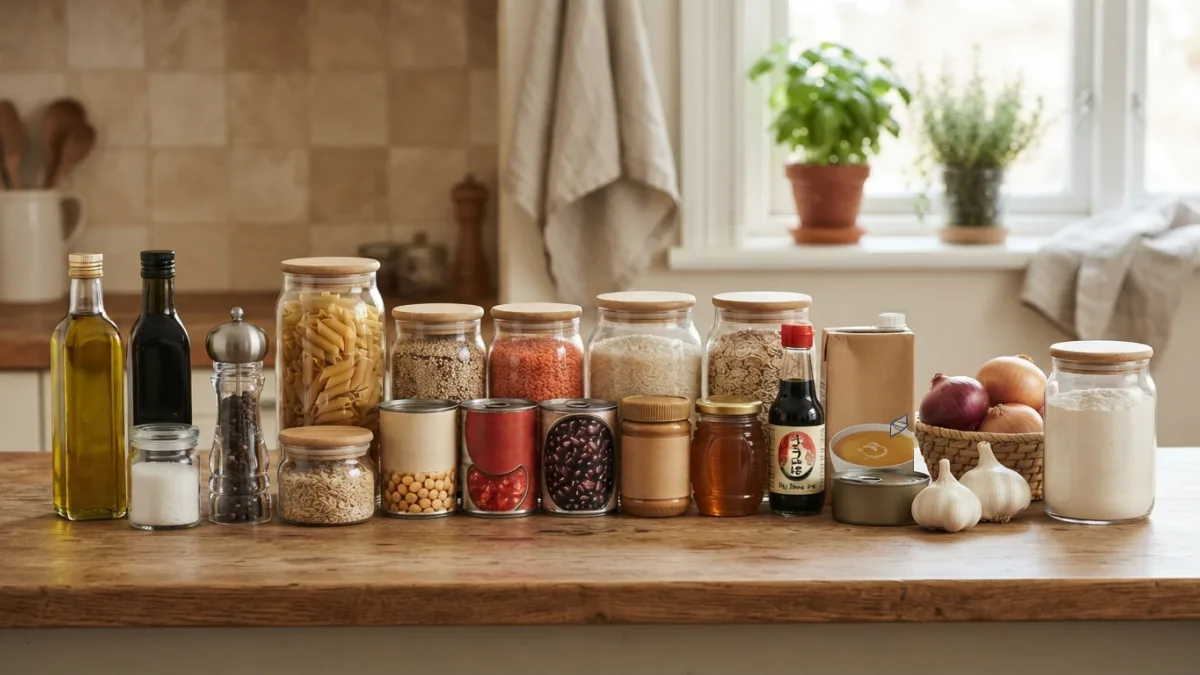
20 Pantry Staples Every Quick-Cooking Kitchen Needs
Nothing kills dinner plans faster than opening the fridge, staring at half-used condiments, and realizing you have absolutely nothing to work with. That’s where a well-stocked set of pantry staples becomes a lifesaver. Whether you’re juggling a packed work schedule, cooking for a family, or just trying to avoid another takeout order, having the right ingredients on hand transforms cooking from a chore into something you can actually finish in twenty minutes flat. This guide walks through the twenty items that turn any kitchen into a fast, flexible, and stress-free cooking zone.
Why Pantry Staples Matter for Quick-Cooking Kitchens
A well-organized pantry does more than save you a trip to the grocery store. It gives you a foundation to build meals around, even when you haven’t planned ahead. Think of pantry staples as your kitchen’s safety net: they bridge the gap between “I have nothing to cook” and “dinner’s ready in fifteen minutes.” Chefs and home cooks alike rely on the same core ingredients because they’re versatile, shelf-stable, and combine easily with whatever fresh produce or protein happens to be in the fridge. Building this kind of stockpile isn’t about hoarding food; it’s about strategic planning. Once you understand which items pull their weight in the widest range of recipes, shopping becomes simpler and cooking stops feeling like a scramble. If you want to dig deeper, our guide on How to Build a Freezer-Friendly Pantry covers this in more detail. This is a common part of dealing with pantry staples, and it is worth keeping in mind.
Grains, Pasta, and Starches That Anchor a Meal
Every fast dinner needs a base, and this is where grains and pasta come in. These kitchen essentials cook quickly, store for months, and pair with nearly anything you throw at them. Keep these on your shelf: Many people run into this exact issue with pantry staples at some point.
- Dried pasta – ready in under 12 minutes and endlessly adaptable
- White or jasmine rice – a neutral base for stir-fries, bowls, and curries
- Quick-cooking oats – useful for breakfast bowls and even savory dishes
- Couscous – technically a pasta, but it cooks in five minutes flat with just boiling water
These starches don’t need much attention while cooking, which frees you up to prep sauces or vegetables at the same time. That kind of multitasking is exactly what makes weeknight cooking manageable. Keeping pantry staples in mind here will save you time later on.
Canned Goods Staples That Save the Day
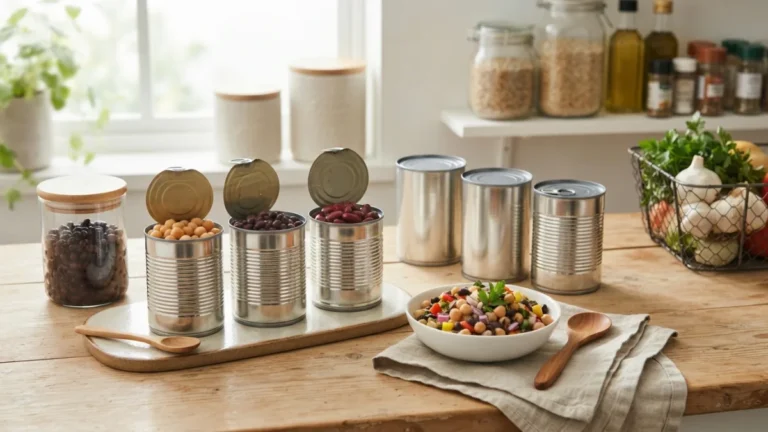
Canned goods staples get a bad reputation they don’t deserve. In reality, they’re some of the hardest-working items in a quick-cooking kitchen. Canned beans, for instance, need zero prep beyond a rinse, and they add protein and fiber to soups, salads, and grain bowls in seconds. Canned tomatoes form the backbone of countless sauces, and a can of coconut milk can turn plain rice and vegetables into something that tastes like it took hours. Canned tuna or salmon works as an instant protein for pasta dishes or quick salads when you haven’t had time to defrost anything. These items sit quietly on the shelf for a year or more, waiting for the exact night you need them most, which makes them essential for fast weeknight dinners. This detail matters more than it seems once pantry staples comes up again.
Sauces, Oils, and Flavor Boosters
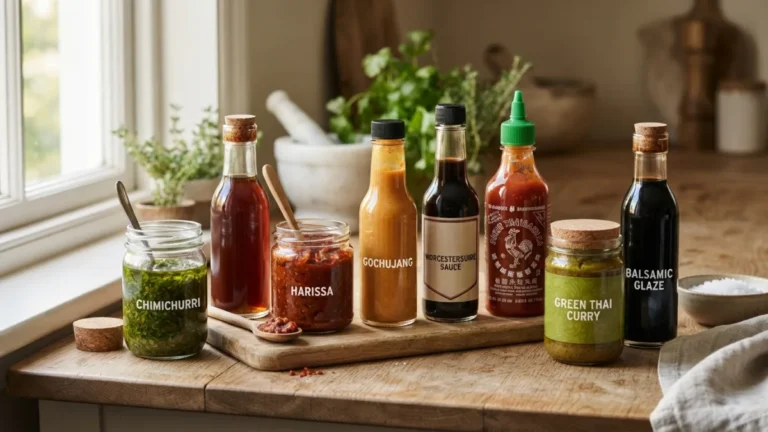
A meal can taste bland even when the ingredients are good, and that usually comes down to missing flavor layers. This is where a few well-chosen bottles make all the difference. Olive oil and a neutral cooking oil handle almost every sautéing or roasting job. Soy sauce brings salt and umami in one splash, while a good vinegar—balsamic or apple cider works well—adds brightness to dressings and marinades. Keep a jar of pre-made pesto or a tube of tomato paste around too; both concentrate flavor fast and require almost no cooking time. These flavor boosters mean you’re never stuck with food that tastes like plain boiled starch and canned vegetables, even on nights when you’re improvising completely from what’s already in the cupboard. It is one of those small things that makes pantry staples easier to manage overall.
Spices and Seasonings Every Kitchen Needs
Spices are cheap, they last a long time, and they do more to elevate a dish than almost anything else on this list. A basic collection should include salt, black pepper, garlic powder, onion powder, paprika, cumin, and dried oregano or Italian seasoning. Red pepper flakes are worth adding too, for anyone who likes a bit of heat. These seasonings let you transform the same base ingredients—rice, beans, chicken—into completely different cuisines depending on your mood. One night it’s a Mexican-inspired bowl with cumin and paprika; the next it’s an Italian-style dish with oregano and garlic. Buying spices in small quantities and replacing them every year or two keeps their flavor sharp, since old, dusty spices lose potency and won’t do your cooking any favors. This connects closely with another common issue — see How to Meal Prep for a Week in Under 2 Hours for more on that. This is a common part of dealing with pantry staples, and it is worth keeping in mind.
Protein Sources for Fast Meals
Protein is often the piece people struggle with most on busy nights, especially if nothing is thawed. Stocking a few shelf-stable or freezer-friendly proteins solves that problem instantly. Canned chickpeas and lentils cook in minutes and work in soups, salads, or curries. Eggs, while technically a fridge item, cook faster than almost any other protein and pair with rice, toast, or vegetables for a meal in under ten minutes. Frozen chicken breasts or shrimp, kept in a freezer bag, thaw quickly under cold water and cook fast once they’re ready. Peanut butter, often overlooked as a protein source, also adds richness to sauces and noodle dishes. Having a rotation of these options means protein never becomes the bottleneck in your quick meal prep routine. Many people run into this exact issue with pantry staples at some point.
Canned vs. Dried Beans: Which Belongs in Your Pantry?
Beans deserve their own comparison, since both canned and dried versions have loyal fans. The right choice really depends on how much time you have and how far ahead you plan your meals. Keeping pantry staples in mind here will save you time later on.
| Feature | Canned Beans | Dried Beans |
|---|---|---|
| Prep time | Ready in seconds, just rinse and use | Requires soaking and 1-2 hours of cooking |
| Cost | Slightly higher per serving | Much cheaper in bulk |
| Shelf life | 1-2 years unopened | 2-3 years or longer |
| Best for | Fast weeknight dinners | Meal prep on weekends or slow cooker meals |
For a quick-cooking kitchen, canned beans usually win out simply because of convenience. But keeping a bag of dried beans around for slower weekends gives you flexibility without extra grocery trips. This detail matters more than it seems once pantry staples comes up again.
Building Easy Pantry Recipes Around These Staples
Once your shelves are stocked, the real fun starts: mixing and matching. A can of chickpeas, some cumin, and canned tomatoes turn into a quick curry in fifteen minutes. Pasta tossed with olive oil, garlic powder, and canned tuna makes a satisfying meal with almost no cleanup. Rice, soy sauce, and a scrambled egg become a simple fried rice when you add whatever vegetables are wilting in the crisper drawer. These easy pantry recipes aren’t fancy, but they get food on the table fast, and they teach you to think of cooking as assembly rather than a rigid recipe to follow exactly. Over time, you’ll start improvising your own combinations based on what’s actually in your cupboard that week, which is really the whole point of building a solid pantry in the first place. It is one of those small things that makes pantry staples easier to manage overall.
Smart Storage Tips for a Well-Organized Pantry
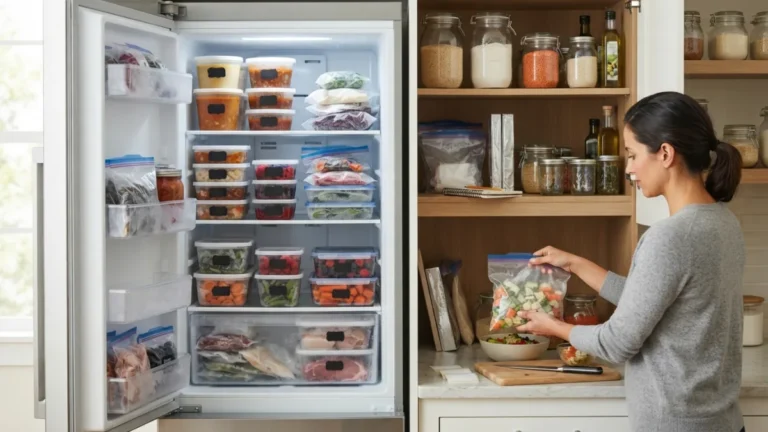
Having the right pantry staples only helps if you can actually find them when you need them. Store dry goods like pasta, rice, and grains in clear, airtight containers so you can see stock levels at a glance. Group similar items together—all the canned goods in one spot, spices in another—so you’re not digging through shelves mid-recipe. Label anything you transfer out of its original packaging, and write the date on it too, since it’s easy to forget how long something has been sitting there. Keeping a small running list of what’s low, taped inside a cabinet door or saved on your phone, prevents the frustrating moment of reaching for soy sauce only to find an empty bottle. A little organization upfront saves real time on busy weeknights. You might also find our article on 15 Weeknight Dinners Ready in 30 Minutes or Less helpful here. This is a common part of dealing with pantry staples, and it is worth keeping in mind.
Stocking a kitchen with these twenty items doesn’t require an expensive shopping spree or a pantry the size of a walk-in closet. Most of these staples are affordable, widely available, and last for months without spoiling. The real payoff comes on the nights when you’re exhausted, short on time, or simply don’t feel like planning a full meal from scratch. With a solid base of grains, canned goods, sauces, spices, and proteins, you’ll always have something to work with. Quick cooking isn’t about rushing through meals carelessly; it’s about removing the friction that keeps people from cooking at home in the first place, one well-stocked shelf at a time. Many people run into this exact issue with pantry staples at some point.
Frequently Asked Questions
What are the most important pantry staples for beginners?
Start with pasta, rice, canned tomatoes, canned beans, olive oil, and a basic set of spices like salt, pepper, and garlic powder. These cover the widest range of simple recipes. Keeping pantry staples in mind here will save you time later on.
How long do canned goods staples actually last?
Most canned goods stay good for one to two years past the printed date if stored in a cool, dry place, though quality (not necessarily safety) can decline over time. This detail matters more than it seems once pantry staples comes up again.
Can I build fast weeknight dinners without meat?
Absolutely. Canned beans, lentils, chickpeas, and eggs all provide protein and cook quickly, making plant-based weeknight meals just as fast as meat-based ones. It is one of those small things that makes pantry staples easier to manage overall.
How often should I restock my pantry?
Check your shelves every few weeks and restock items as they run low. Doing a quick inventory before grocery shopping prevents duplicate purchases and forgotten essentials. This is a common part of dealing with pantry staples, and it is worth keeping in mind.
Is it worth buying spices in bulk?
Only if you cook with them often. Spices lose flavor over time, so smaller quantities that you’ll use within a year or two are usually the better choice for freshness.