One-Pot Pasta: 5 Recipes With Almost No Cleanup
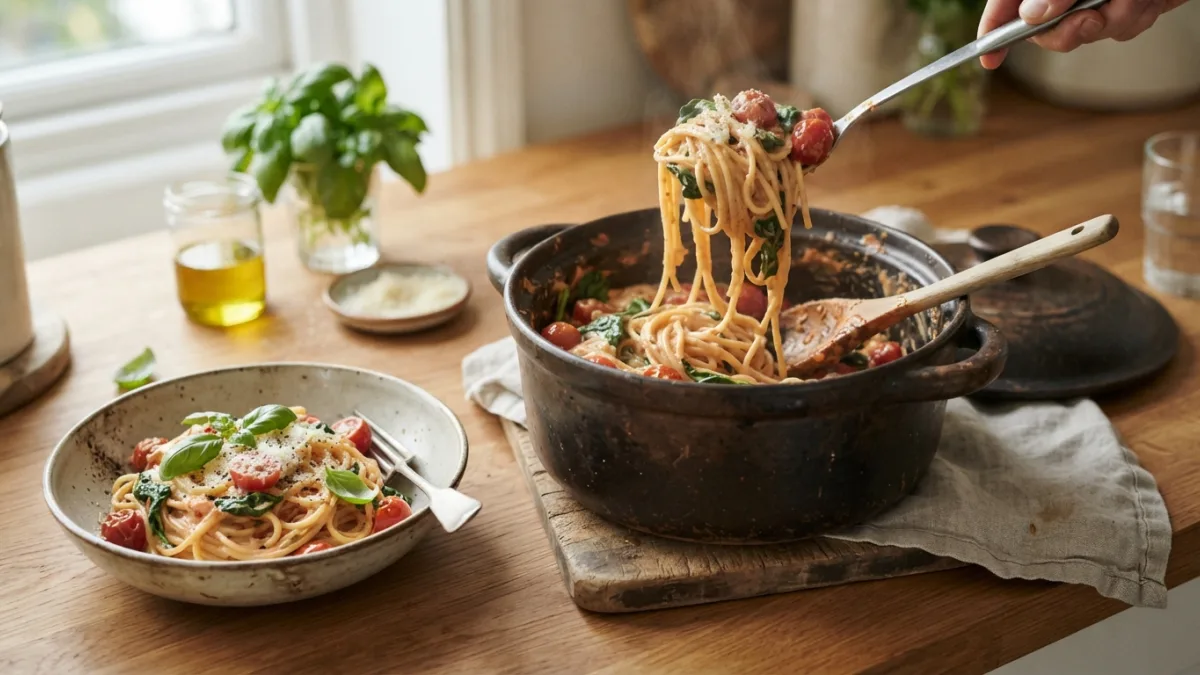
Pile of dirty pots in the sink after dinner? Not tonight. One pot pasta has become the go-to trick for anyone who wants a satisfying dinner without turning the kitchen into a disaster zone. The idea is simple: instead of boiling pasta separately, draining it, and then combining it with a sauce made in another pan, you cook everything together in a single pot. The starch that usually gets poured down the drain stays in the dish, which naturally thickens the sauce and adds flavor you can’t easily fake. It sounds almost too easy, but the method has been tested by home cooks and food writers for years, and it consistently works.
What makes this approach so appealing isn’t just the reduced dishwashing. It’s also faster, since you’re not waiting for a separate pot of water to boil before you can even start the sauce. Everything happens in one place, at the same time, which makes it a natural fit for quick weeknight dinners when you’re tired, hungry, and not in the mood for a 45-minute production. Below are five recipes that show just how versatile this technique can be, ranging from classic tomato-based dishes to creamy, cheesy comfort food. Each one uses common pantry staples, so you probably already have most of what you need. If you want to dig deeper, our guide on 10 Sheet-Pan Dinners for Busy Weeknights covers this in more detail. This is a common part of dealing with one pot pasta, and it is worth keeping in mind.
Why One Pot Pasta Works So Well
The science behind one pot pasta is straightforward. Pasta releases starch as it cooks, and that starch is what makes traditional sauces silky when you add a splash of pasta water. When you cook the noodles directly in the sauce liquid, instead of throwing that starchy water away, you’re concentrating all of it into the final dish. The liquid reduces as the pasta absorbs it, and by the time the noodles are tender, the sauce has thickened into something that clings to every strand. According to the U.S. Department of Agriculture, pasta is primarily composed of carbohydrates from wheat flour, which explains why it releases so much starch during cooking. That starch is your built-in thickening agent, no roux or cornstarch required. Many people run into this exact issue with one pot pasta at some point.
1. Classic One Pot Tomato Basil Pasta
This is the recipe that started it all for a lot of home cooks, and it remains one of the simplest easy pasta recipes you can make on a weeknight. Toss uncooked spaghetti or linguine into a large pot with canned crushed tomatoes, chopped garlic, sliced onion, a pinch of red pepper flakes, and vegetable or chicken broth. Bring it to a boil, then reduce the heat and let it simmer, stirring occasionally so the noodles don’t stick together. Within about 10 to 12 minutes, the pasta softens, the liquid reduces into a rich tomato sauce, and you’re left with a dish that tastes like it simmered for hours. Finish it with fresh basil, a drizzle of olive oil, and grated Parmesan. It’s proof that you don’t need a separate saucepan to make something that feels restaurant-quality. Keeping one pot pasta in mind here will save you time later on.
Tips for Getting the Texture Right
The biggest mistake people make with this method is not stirring often enough. Because the pasta cooks directly in the sauce rather than a large volume of boiling water, it’s more prone to sticking to the bottom of the pot. Stir every couple of minutes, especially toward the end when the liquid has mostly reduced. If the sauce looks too thick before the noodles are fully tender, add a splash more broth or water. If it’s too thin once the pasta is done, let it sit off the heat for a minute or two; it will continue to thicken as it cools slightly. This connects closely with another common issue — see Canned Beans 101: Quick Recipes and Storage Tips for more on that. This detail matters more than it seems once one pot pasta comes up again.
2. Creamy One Pan Pasta With Spinach and Mushrooms
For something a little richer, this creamy version relies on milk or a mix of milk and broth instead of an all-tomato base. Sauté sliced mushrooms and garlic in the pot first to build flavor, then add uncooked pasta, broth, and milk, along with a handful of fresh spinach. As the pasta cooks, the spinach wilts down and the milk reduces into a light, creamy sauce without any heavy cream or flour. Stir in a bit of grated cheese at the end, like Parmesan or a mild cheddar, for extra richness. This is a great option for anyone trying to sneak more vegetables into a meal without much extra effort, and it holds up well as leftovers the next day. It is one of those small things that makes one pot pasta easier to manage overall.
3. One Pot Pasta Primavera for Using Up Vegetables
If your refrigerator has a random assortment of vegetables that need to be used before they go bad, this is the recipe to reach for. Bell peppers, zucchini, carrots, and cherry tomatoes all work well, and you can really use whatever you have on hand. Start by cooking heartier vegetables like carrots for a couple of minutes before adding the pasta, broth, and softer vegetables like zucchini and tomatoes. Everything simmers together until the pasta is tender and the vegetables are just cooked through, not mushy. A squeeze of lemon juice and some fresh herbs at the end brightens the whole dish. This recipe is a good reminder that one pot meals don’t have to be heavy or one-note; they can be light and vegetable-forward too. This is a common part of dealing with one pot pasta, and it is worth keeping in mind.
4. One Pot Cheesy Chicken Pasta for Bigger Appetites
When you need something more filling, this version adds cooked, shredded chicken directly into the pot along with the pasta and broth. Using rotisserie chicken or leftover cooked chicken breast keeps the prep time short, since you’re not cooking raw meat in the same pot as the pasta. Combine the chicken, pasta, broth, a bit of milk, and seasonings like garlic powder, paprika, and black pepper, then simmer until the pasta is tender. Stir in shredded cheese at the very end so it melts into the sauce rather than clumping. This dish tends to be a favorite with families and picky eaters because it feels like a cross between mac and cheese and a chicken casserole, but it comes together in under 30 minutes total. You might also find our article on 20-Minute Garlic Butter Shrimp Pasta helpful here. Many people run into this exact issue with one pot pasta at some point.
Adjusting for Protein Preferences
Not everyone eats chicken, and that’s fine because this format is flexible. Cooked, crumbled sausage works well if you want something with more spice, and canned beans or chickpeas make a solid vegetarian substitute that still adds protein and texture. Whatever you choose, add pre-cooked proteins toward the end of the simmering process so they warm through without drying out or overcooking. Raw ground meat can also be browned in the pot first, before the pasta and liquid go in, which keeps the entire dish contained to one pan from start to finish. Keeping one pot pasta in mind here will save you time later on.
5. One Pot Garlic Parmesan Pasta With Broccoli
Rounding out the list is a simpler, more minimalist dish built around garlic, Parmesan, and broccoli florets. Cook garlic briefly in olive oil or butter, then add the pasta, broth, and broccoli florets together so they cook at the same time. Broccoli only needs a few minutes to become tender, so timing it to finish alongside the pasta keeps it from turning mushy. Once the liquid has mostly absorbed, stir in a generous amount of grated Parmesan and a crack of black pepper. This one is proof that you don’t need a long ingredient list to make something that tastes indulgent, and it’s a solid option for anyone who wants a meat-free dinner that still feels substantial. This detail matters more than it seems once one pot pasta comes up again.
Tips for Making Any One Pot Pasta Recipe Work
A few general rules apply across all five of these recipes, and they’re worth keeping in mind if you start experimenting with your own combinations. First, use enough liquid to fully cook the pasta, but not so much that you’re left with soup; a good starting ratio is around 2 to 2.5 cups of liquid per 8 ounces of dry pasta, though this varies depending on the shape. Second, stir more often than you think you need to, especially in the last few minutes of cooking when the liquid has mostly reduced. Third, add delicate ingredients like fresh herbs, spinach, or cheese toward the end so they don’t overcook or separate. The Harvard T.H. Chan School of Public Health also notes that whole wheat pasta can be a good source of fiber, so swapping in a whole grain variety is an easy way to make any of these dishes a bit more nutritious without changing the method. For a related walkthrough, check out 15 Weeknight Dinners Ready in 30 Minutes or Less. It is one of those small things that makes one pot pasta easier to manage overall.
| Recipe | Best For | Approximate Cook Time |
|---|---|---|
| Classic Tomato Basil | Weeknight comfort food | 15 minutes |
| Creamy Spinach and Mushroom | Vegetarian, extra veggies | 20 minutes |
| Pasta Primavera | Using up leftover produce | 18 minutes |
| Cheesy Chicken Pasta | Bigger appetites, families | 25 minutes |
| Garlic Parmesan Broccoli | Simple, minimal ingredients | 18 minutes |
What ties all five of these dishes together is how little cleanup they leave behind, which is really the whole point of no cleanup dinners. You use one pot, one spoon for stirring, and maybe a cutting board if you’re chopping vegetables or garlic. There’s no colander to wash, no separate saucepan crusted with dried sauce, and no juggling multiple burners at once. For anyone who cooks dinner most nights of the week, that difference adds up. Less time spent scrubbing pots means more time actually enjoying the meal, or just relaxing after a long day, and that’s a trade worth making. This is a common part of dealing with one pot pasta, and it is worth keeping in mind.
Frequently Asked Questions
Does one pot pasta taste different from traditionally cooked pasta?
It tastes similar, and in many cases the sauce is richer because the starch released by the pasta stays in the dish instead of being poured down the drain with the cooking water. Many people run into this exact issue with one pot pasta at some point.
Can I use any type of pasta shape for these recipes?
Most shapes work, though long noodles like spaghetti or linguine sometimes need extra stirring to keep them from clumping together. Short shapes like penne or fusilli tend to be a bit more forgiving for beginners. Keeping one pot pasta in mind here will save you time later on.
How do I keep the pasta from sticking to the bottom of the pot?
Stir regularly, especially in the final few minutes when the liquid reduces, and use a pot with a heavy bottom if you have one, since it distributes heat more evenly and reduces hot spots. This detail matters more than it seems once one pot pasta comes up again.
Is one pot pasta a healthy option?
It can be, especially if you use whole wheat pasta, add vegetables, and control the amount of cheese or cream you include. The method itself doesn’t add extra fat or sodium beyond what you choose to put in. It is one of those small things that makes one pot pasta easier to manage overall.
Can I make one pot pasta ahead of time and reheat it?
Yes, most of these dishes reheat well with a splash of extra broth or water to loosen the sauce, since it tends to thicken further once refrigerated.