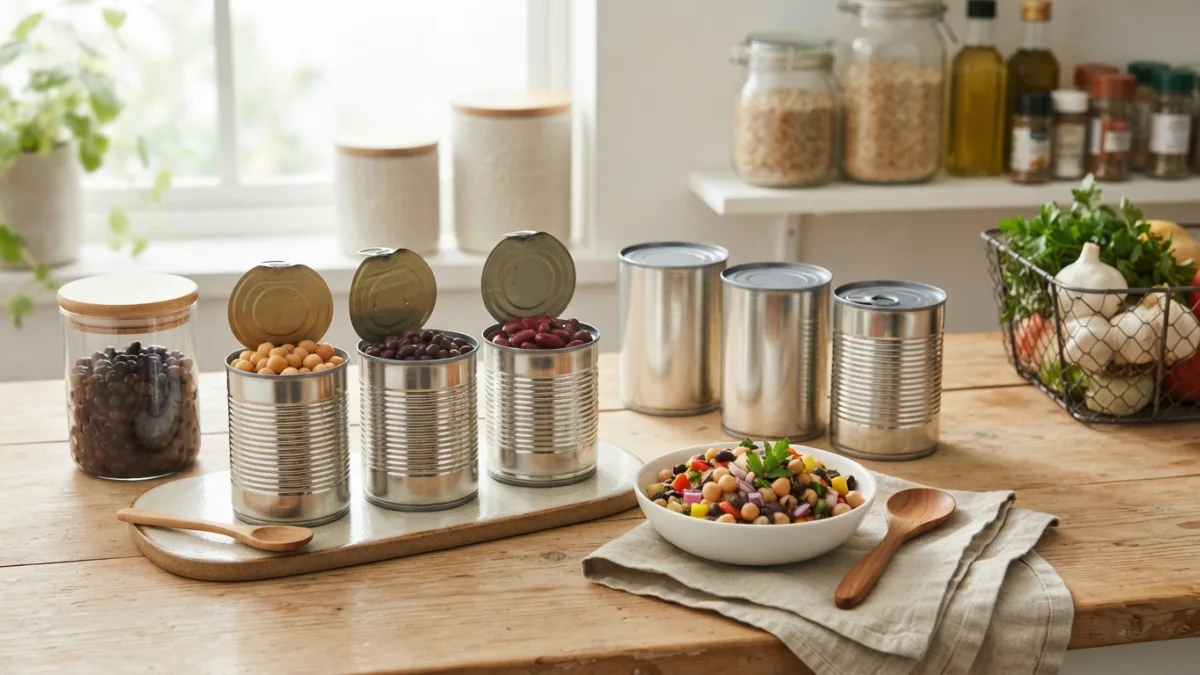
Canned Beans 101: Quick Recipes and Storage Tips
Few kitchen staples pull their weight quite like canned beans. They sit quietly in the pantry for months, then step in to save dinner when you’re too tired to cook from scratch or too broke to order takeout. Whether you’re stirring up a pot of chili, tossing together a quick salad, or blending a dip for game night, canned beans turn a bare fridge into a real meal in under 20 minutes. This guide walks through why they deserve a permanent spot in your cupboard, how to store them properly, and seven recipes you can throw together tonight without much planning.
Why Canned Beans Belong in Every Kitchen
Canned beans aren’t just a shortcut — they’re genuinely good for you. A single serving delivers a solid dose of plant protein, fiber, iron, and folate, and they cost a fraction of what dried beans require in prep time. According to the Harvard T.H. Chan School of Public Health, legumes like beans and chickpeas are linked to better heart health and steadier blood sugar levels when eaten regularly. Since the canning process cooks the beans thoroughly, there’s no soaking or simmering required at home. You just open the can, drain it if needed, and go. For anyone juggling work, kids, or simply a lack of patience on a Tuesday night, that convenience matters just as much as the nutrition label. If you want to dig deeper, our guide on 20 Pantry Staples Every Quick-Cooking Kitchen Needs covers this in more detail.
How to Store Canned Beans the Right Way
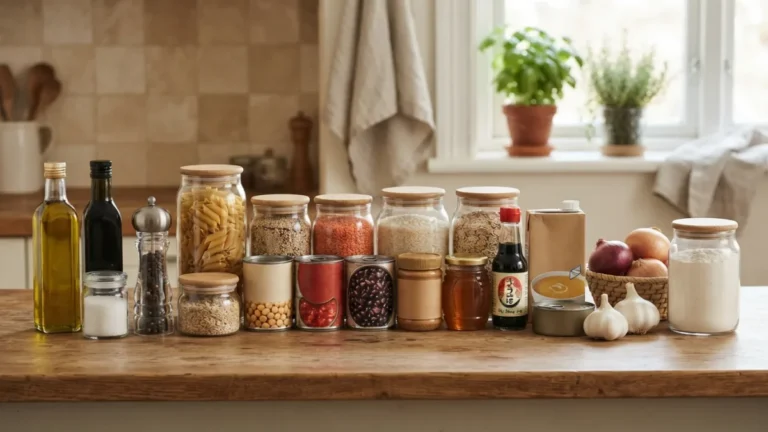
Storing unopened canned beans is refreshingly simple. Keep them in a cool, dry spot away from direct sunlight and extreme temperature swings — a kitchen cabinet or pantry shelf works fine, but avoid storing cans near the stove or above the oven where heat builds up. Check that the can isn’t bulging, dented along the seams, or leaking, since these are signs the seal has failed. The USDA’s food safety guidance notes that properly stored canned goods stay safe well past the printed date, though quality may slowly decline over time. If you’re wondering how to store canned beans for the long haul, the answer really comes down to a stable environment and an intact can.
Canned Beans Shelf Life
Unopened canned beans typically stay at peak quality for two to five years when kept in good storage conditions, and many remain safe to eat even longer as long as the can shows no damage. The “best by” date on the label is about quality, not a strict safety cutoff. That said, older cans may have beans that taste a bit softer or blander, so rotating your pantry — using older cans before newer ones — keeps your meals tasting their best. A few signs mean it’s time to toss a can without a second thought:
- Bulging or swollen lids
- Rust that has eaten through the metal
- A hissing sound or spurting liquid when opened
- An off smell once opened
What to Do After Opening the Can
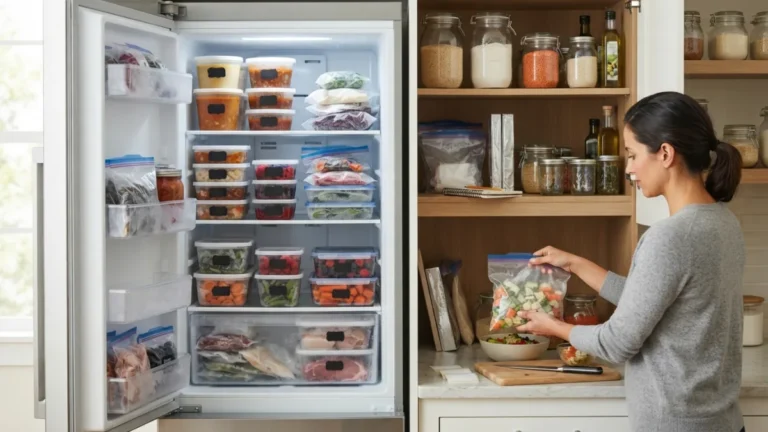
Once you crack a can open, the clock starts ticking differently. Transfer any unused beans into an airtight container and refrigerate them right away rather than leaving them in the metal can, since the exposed metal can affect flavor over time. Stored this way, leftover beans generally stay good in the fridge for three to four days. If you won’t use them that quickly, portion them into freezer bags or containers and freeze for up to six months — they’ll thaw quickly under warm water or overnight in the fridge. Labeling the container with the date saves you from playing a guessing game later when you’re digging through the freezer for a quick dinner fix.
Rinsing Canned Beans: Should You Bother?
Rinsing canned beans under cold water for about 30 seconds does two useful things: it washes away some of the starchy, cloudy liquid that can make dishes look murky, and it cuts down on sodium, since a good portion of the added salt sits in that liquid rather than in the beans themselves. If you’re watching your sodium intake, rinsing is worth the extra few seconds at the sink. On the other hand, if a recipe calls for that liquid — often called aquafaba when it comes from chickpeas — you might want to save it for whipping into vegan meringues or thickening a soup. There’s no single right answer here; it depends on what you’re cooking and how much salt you want in the final dish. This connects closely with another common issue — see How to Build a Freezer-Friendly Pantry for more on that.
A Quick Guide to Common Canned Bean Varieties
Not all canned beans behave the same way in a recipe, and picking the right type can make a dish come together much more smoothly. Here’s a simple breakdown of the most common options you’ll find on grocery shelves and where they shine.
| Bean Type | Texture | Best Used In |
|---|---|---|
| Black beans | Firm, holds shape well | Tacos, burrito bowls, salads |
| Chickpeas | Slightly firm, nutty | Salads, hummus, curries |
| Kidney beans | Dense, meaty | Chili, stews |
| Cannellini beans | Creamy, soft | Pasta, soups, mashes |
| Pinto beans | Soft, mild | Refried beans, dips |
7 Quick Canned Bean Recipes to Try Tonight
Once you’ve got a few cans in the pantry, dinner is closer than you think. These seven ideas use minimal ingredients and even less cleanup, and they show off just how versatile canned bean recipes can be for weeknight cooking.
1. One-Pot White Bean Soup
Sauté garlic and onion in olive oil, then add a can of cannellini beans (rinsed), vegetable broth, chopped kale, and a pinch of red pepper flakes. Simmer for 15 minutes and finish with a squeeze of lemon. It’s warm, filling, and comes together in one pot with barely any dishes to wash afterward.
2. Black Bean Tacos in 15 Minutes
Warm a can of black beans with cumin, garlic powder, and a splash of lime juice, then spoon into tortillas with shredded cheese, avocado, and salsa. It’s a meatless taco night that even skeptics tend to enjoy, and it costs a fraction of what takeout tacos would run you. You might also find our article on A Beginner's Guide to Sunday Meal Prep helpful here.
3. Chickpea Salad with Lemon and Herbs
Toss rinsed chickpeas with diced cucumber, cherry tomatoes, red onion, feta, olive oil, lemon juice, and fresh parsley. This one needs zero cooking and actually tastes better after sitting in the fridge for an hour, making it a great make-ahead lunch.
4. Cannellini Bean and Garlic Pasta
Cook pasta, then toss it with sautéed garlic, olive oil, cannellini beans, and a handful of grated parmesan. A splash of the starchy pasta water pulls everything together into a light, creamy sauce without any actual cream involved.
5. Kidney Bean Chili
Brown ground beef or a plant-based substitute, then stir in kidney beans, canned tomatoes, chili powder, and cumin. Let it simmer for 20 minutes so the flavors meld. Top with cheese and a dollop of sour cream for a cozy bowl that freezes well too.
6. Refried Pinto Beans
Mash canned pinto beans with a fork while heating them in a skillet with a little oil, garlic, and cumin. Add broth or reserved bean liquid until you reach the texture you like. Serve alongside rice, in burritos, or as a dip with tortilla chips. For a related walkthrough, check out 10 Meal Prep Containers Worth Buying (and Why).
7. Bean and Veggie Stir-Fry
Stir-fry whatever vegetables you have on hand — bell peppers, carrots, broccoli — in a hot pan, then add a rinsed can of black beans or chickpeas along with soy sauce and a touch of sesame oil. It’s a fast way to use up produce that’s about to go bad while adding protein without any meat.
Canned beans prove that convenience and good nutrition aren’t mutually exclusive. With a well-stocked shelf of a few varieties and a basic understanding of how long they last and how to store leftovers, you’re never more than 20 minutes away from a satisfying meal. Try rotating through different types — black, chickpea, kidney, cannellini, pinto — so you’re never stuck making the same dish twice in a week. Once you get comfortable building meals around a can or two, you’ll probably find yourself reaching for them far more often than you expected, especially on nights when cooking feels like the last thing you want to do.
Frequently Asked Questions
Do I always need to rinse canned beans before using them?
Not always, but it’s usually a good idea. Rinsing removes excess sodium and the starchy liquid, which can improve both flavor and texture. Skip rinsing only if a recipe specifically calls for the liquid, like when making aquafaba from chickpeas.
How long do canned beans last once opened?
Once opened, transfer leftover beans to an airtight container and refrigerate them. They’ll stay good for about three to four days. For longer storage, freeze them in a sealed container for up to six months.
Are canned beans as nutritious as dried beans?
Yes, for the most part. Canned beans retain most of their protein, fiber, and key nutrients through the canning process. The main difference is sodium content, which you can reduce significantly by rinsing them before eating.
Can I still eat canned beans after the best-by date?
Usually, yes, as long as the can shows no signs of damage like bulging, rust, or leaking. The date reflects peak quality rather than a strict safety deadline, so slightly older cans are typically still safe if stored properly.
What’s the best way to store canned beans long term?
Keep unopened cans in a cool, dry pantry away from heat sources and direct sunlight. Avoid storing them near the oven or in a damp basement, since temperature swings and moisture can shorten their shelf life and affect the can’s integrity.