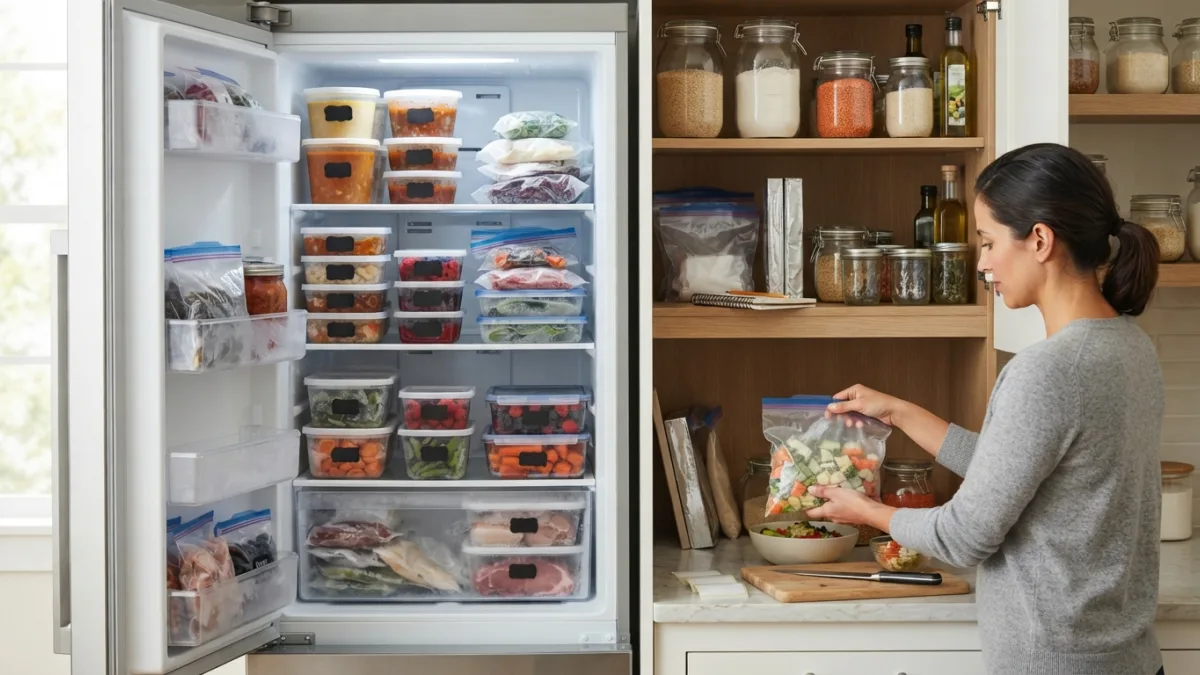
How to Build a Freezer-Friendly Pantry
Nothing derails a busy week faster than opening the freezer and finding a chaotic jumble of frostbitten mystery bags and half-empty containers. A well-planned freezer-friendly pantry solves that problem before it starts, turning your freezer into a reliable extension of your kitchen rather than a black hole for forgotten food. With a bit of planning, you can cut grocery bills, reduce food waste, and always have a real meal ready even on your busiest nights. This guide walks you through the practical steps, from choosing the right foods to setting up a system that actually keeps working months from now, not just for the first two weeks.
Why Build a Freezer-Friendly Pantry?
A freezer-friendly pantry gives you a buffer against price spikes, empty store shelves, and last-minute dinner panic. When you stock strategically, you’re essentially banking meals for future you, the one who’s too tired to cook or too busy to shop. It also saves money because you can buy in bulk when items go on sale, portion them out, and freeze what you won’t use right away. Beyond convenience, this approach supports better food stockpiling strategies overall, since frozen goods last far longer than most fresh items sitting in a cupboard. Instead of scrambling for takeout, you open the freezer and find a stocked, organized space that already has your back. If you want to dig deeper, our guide on How to Meal Prep for a Week in Under 2 Hours covers this in more detail. This is a common part of dealing with freezer-friendly pantry, and it is worth keeping in mind.
Start With a Freezer Inventory System
Before you buy another bag of frozen vegetables, take stock of what you already own. Pull everything out, sort it by category, and toss anything that’s freezer-burned or unrecognizable. This is the moment to build a simple freezer inventory system, whether that means a notebook taped to the freezer door, a whiteboard, or a notes app on your phone. List each item, the date it went in, and roughly how much you have. Update it every time you add or remove something. It sounds like extra work at first, but it takes seconds once it becomes a habit, and it stops you from buying triplicate bags of chicken thighs you forgot were already in there. Many people run into this exact issue with freezer-friendly pantry at some point.
Grouping Items by Category
Once your inventory system is running, group similar foods together so you’re not digging through layers of ice to find one item. Common categories include proteins, vegetables, fruits, prepared meals, breads, and baking staples like butter or nuts. Some people use color-coded bins or clear stackable containers to keep each category visually separate, which also makes it easier to see when a section is running low. This kind of grouping turns pantry organization ideas you might already use in your cupboards into something workable for frozen storage too. The goal is simple: open the freezer and know within seconds where to find what you need, without unpacking half the shelf. Keeping freezer-friendly pantry in mind here will save you time later on.
Pantry Organization Ideas for Freezer Staples
Good organization isn’t just about neat stacks; it’s about designing a layout that matches how you actually cook. If you meal prep on Sundays, keep a dedicated shelf for ready-to-reheat containers at eye level. If you bake often, set aside a drawer for pre-measured flour, butter, or shredded cheese. Vertical dividers, freezer baskets, and labeled bins all help maximize space in a chest or upright freezer. Many people find that laying flat items like soups or ground meat in freezer bags saves dramatically more space than stacking round containers, since flat bags stack like files once frozen solid. Small adjustments like these make a real difference in how much usable space you actually have. This detail matters more than it seems once freezer-friendly pantry comes up again.
What to Stock: Foods That Freeze Well
Not everything freezes gracefully, so it helps to know which staples hold their texture and flavor best. Building a solid freezer-friendly pantry usually starts with these reliable categories: It is one of those small things that makes freezer-friendly pantry easier to manage overall.
- Proteins: chicken, ground beef, fish fillets, and pre-cooked sausage
- Vegetables: peas, corn, spinach, broccoli, and diced peppers
- Fruits: berries, sliced bananas, and mango chunks for smoothies
- Grains and bread: cooked rice, tortillas, sliced bread, and bagels
- Dairy: shredded cheese, butter, and some hard cheeses
- Prepared items: soups, stews, sauces, and casseroles
Avoid freezing items with high water content, like whole lettuce or cucumbers, since they turn mushy once thawed. Sticking with foods known to freeze well keeps your stock reliable and reduces disappointing surprises at dinnertime. This is a common part of dealing with freezer-friendly pantry, and it is worth keeping in mind.
Freezer Storage Tips to Keep Food Fresh Longer
How you package food matters just as much as what you freeze. Air is the enemy here, since it causes freezer burn and dulls both texture and taste over time. Squeeze out as much air as possible from freezer bags, or invest in a vacuum sealer if you freeze large batches often. Rigid containers work well for liquids like soup, but leave an inch of headspace since liquids expand as they freeze. One of the simplest freezer storage tips is to freeze items flat before storing them upright, which saves space and speeds up thawing. Keeping your freezer at zero degrees Fahrenheit or colder, and avoiding overpacking it so cold air can circulate, also helps everything last as long as possible. Many people run into this exact issue with freezer-friendly pantry at some point.
Comparing Freezer Storage Containers
Choosing the right containers can make or break your system. Some options prioritize space-saving, others focus on reusability or protecting delicate foods from freezer burn. Here’s a quick comparison to help you decide what fits your habits best. Keeping freezer-friendly pantry in mind here will save you time later on.
| Container Type | Best For | Space Efficiency | Reusable |
|---|---|---|---|
| Freezer bags (zip-top) | Soups, meats, chopped produce | High when frozen flat | Limited |
| Rigid plastic containers | Liquids, leftovers, casseroles | Moderate | Yes |
| Vacuum-sealed bags | Bulk meat, long-term storage | High | Limited |
| Glass containers | Sauces, reheating directly | Low to moderate | Yes |
| Silicone bags or molds | Portioned sauces, baby food, herbs | High | Yes |
Meal Prep Freezer Meals for Busy Weeks
Once your storage system is in place, freezer meals become the real payoff. Cooking double batches of chili, curry, or pasta sauce and freezing half is one of the easiest ways to build a stockpile without extra effort. Assembly-style freezer meals, where you combine raw ingredients in a bag and freeze them uncooked, also work well for slow cooker dinners later on. Try dedicating one afternoon a month to batch cooking three or four recipes that freeze reliably, then portion them into single or family-sized servings. Label each with the recipe name, date, and reheating instructions so future you doesn’t have to guess. This habit turns meal prep freezer meals into a genuine time-saving strategy rather than a one-off weekend project. This connects closely with another common issue — see 15 Weeknight Dinners Ready in 30 Minutes or Less for more on that. This detail matters more than it seems once freezer-friendly pantry comes up again.
Food Stockpiling Strategies for Emergencies and Savings
A freezer-friendly pantry also plays a role in broader food stockpiling strategies, especially for households preparing for power outages, weather emergencies, or simply stretching a grocery budget further. Buying proteins in bulk when they’re discounted and freezing individual portions is a straightforward way to save money over time. Keep a small stock of ice packs or frozen water bottles too, since they can help keep food cold longer during a short power outage. It also helps to know roughly how long your freezer can maintain safe temperatures if unopened during an outage, generally around 24 to 48 hours depending on how full it is. Planning around these realities makes your freezer a genuine safety net, not just a convenience. It is one of those small things that makes freezer-friendly pantry easier to manage overall.
Labeling, Dating, and Rotation Habits
Even the best-organized freezer becomes useless if you can’t remember what’s inside or how long it’s been there. Label everything with a permanent marker or printed sticker, including the contents, the date frozen, and any reheating notes. Practice a first-in, first-out rotation, placing newer items at the back and pulling older ones to the front so nothing gets buried and forgotten. Many people set a recurring monthly reminder to check dates and use up anything approaching its recommended freezer life. This habit pairs naturally with your freezer inventory system, since updating the list and rotating stock can become one quick weekly task instead of two separate chores. This is a common part of dealing with freezer-friendly pantry, and it is worth keeping in mind.
Common Freezer Pantry Mistakes to Avoid
Even motivated home cooks fall into a few predictable traps. Overfilling the freezer restricts airflow and makes items freeze unevenly, so leave a little breathing room rather than cramming every shelf. Skipping labels is another common mistake, since unmarked bags of ground meat or sauce all look identical after a few weeks. Freezing food in bulky, oddly shaped containers wastes space that could otherwise hold several meals. Finally, ignoring your freezer inventory system defeats its whole purpose, so make updating it part of your regular grocery routine rather than an occasional afterthought. Avoiding these small missteps keeps your setup running smoothly for the long haul. Many people run into this exact issue with freezer-friendly pantry at some point.
Final Thoughts on Building Your Freezer-Friendly Pantry
Building a freezer-friendly pantry isn’t about buying fancy gadgets or overhauling your kitchen overnight. It’s about small, consistent habits: labeling clearly, rotating stock, choosing containers that fit your space, and stocking foods you’ll actually eat. Start small if the whole idea feels overwhelming, maybe with one shelf and a simple list, then expand as the system proves its worth. Over time, you’ll notice fewer last-minute takeout orders, less wasted food, and a genuine sense of control over your meals. A freezer, once organized with intention, becomes one of the most useful tools in the entire kitchen. Keeping freezer-friendly pantry in mind here will save you time later on.
Frequently Asked Questions
How long can most foods safely stay in the freezer?
Most foods stay safe indefinitely at zero degrees Fahrenheit, but quality declines over time. As a general guideline, meats last three to twelve months, vegetables around eight to twelve months, and prepared meals two to three months for best flavor and texture. This detail matters more than it seems once freezer-friendly pantry comes up again.
What’s the best way to prevent freezer burn?
Remove as much air as possible before sealing, use airtight bags or containers, and avoid opening the freezer too frequently. Wrapping items tightly in plastic before placing them in a freezer bag adds an extra layer of protection. It is one of those small things that makes freezer-friendly pantry easier to manage overall.
Do I need special equipment to start a freezer inventory system?
No special equipment is required. A notebook, whiteboard, or basic phone app works fine. The key is consistency, updating it every time you add or remove items so it stays accurate. This is a common part of dealing with freezer-friendly pantry, and it is worth keeping in mind.
Can I freeze food directly in glass jars?
Yes, as long as you use freezer-safe jars, leave enough headspace for expansion, and avoid sudden temperature changes that could crack the glass. Wide-mouth jars generally handle freezing better than narrow-necked ones.
How often should I rotate or check my freezer stock?
Checking once a month works well for most households. Use this time to update your inventory list, move older items to the front, and plan meals around anything nearing the end of its recommended freezer life.