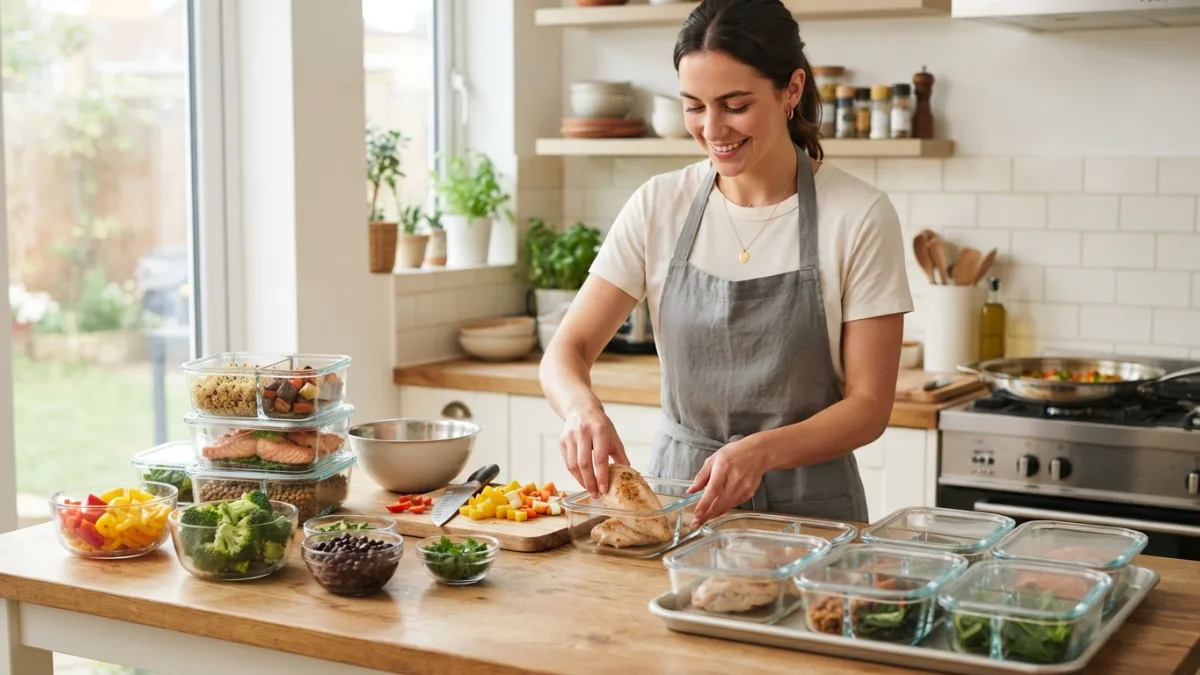
A Beginner’s Guide to Sunday Meal Prep
Sunday afternoons have a funny way of turning into either total relaxation or last-minute panic about what’s for dinner during the week. That’s exactly why Sunday meal prep has become such a popular habit among busy people, students, and families alike. It’s not about turning your kitchen into a restaurant line — it’s about carving out a couple of hours to set yourself up for a calmer, healthier week. If you’ve never tried it before, the whole idea can feel overwhelming, but it really doesn’t have to be complicated once you break it into small, manageable steps.
The good news is that meal prep for beginners doesn’t require fancy equipment, a culinary degree, or hours of free time. Most people who stick with it start small: maybe just prepping lunches for the week, or cooking one big batch of grains and proteins they can mix and match later. Once you get a feel for it, you can expand into full weekly meal planning that covers breakfast, lunch, dinner, and snacks. Below are seven simple steps that will help you build a Sunday routine you can actually keep up with, instead of one that burns you out after two weeks. If you want to dig deeper, our guide on 10 Meal Prep Containers Worth Buying (and Why) covers this in more detail. This is a common part of dealing with sunday meal prep, and it is worth keeping in mind.
1. Choose Your Meal Prep Day and Time Block
Sunday tends to work well because it sits right before the busy work or school week, but the exact day matters less than picking one and sticking to it. Look at your weekend schedule and block out two to three hours where you won’t be interrupted. Some people prefer late morning, right after grocery shopping, while others like early evening once errands are done. Treat this block like an actual appointment, not something you’ll get to “if there’s time,” because that’s usually how the habit falls apart. Consistency is what turns meal prep from a one-off experiment into a sustainable weekly rhythm that quietly makes the rest of your week easier. Many people run into this exact issue with sunday meal prep at some point.
2. Plan Your Weekly Menu Before You Shop
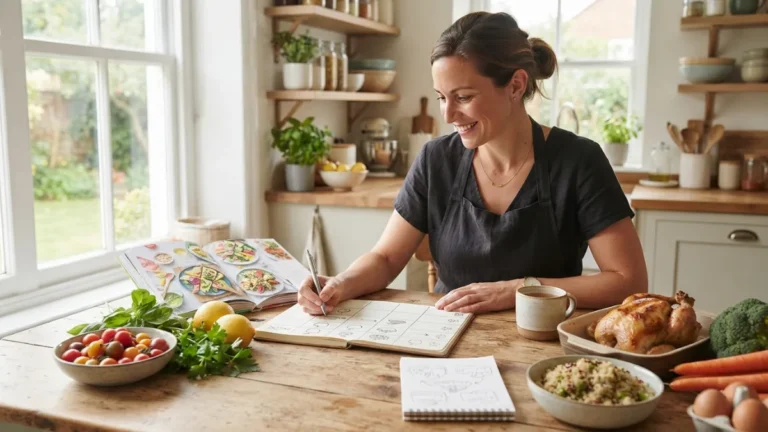
Walking into the kitchen without a plan is the fastest way to waste food, time, and money. Before you even think about turning on the stove, sit down and sketch out what you want to eat over the next five to seven days. You don’t need restaurant-level creativity here — repeating two or three dinners and rotating a few lunch combinations is completely normal and actually makes shopping simpler. Try to include a mix of proteins, vegetables, and whole grains so your meals stay balanced, and check resources like the Harvard T.H. Chan School of Public Health nutrition source if you want general guidance on building well-rounded plates. This step is really the backbone of successful weekly meal planning. Keeping sunday meal prep in mind here will save you time later on.
3. Build a Smart, Realistic Grocery List
Once your menu is set, turn it into a grocery list organized by store section — produce, proteins, dairy, pantry staples, and so on. This small bit of organization saves a surprising amount of time once you’re actually walking the aisles. Check your fridge and pantry first so you’re not buying duplicates of things you already have tucked in the back of a shelf. It also helps to buy slightly more of versatile staples like rice, beans, or frozen vegetables, since these stretch across multiple meals and rarely go to waste. Sticking closely to your list, rather than shopping on impulse, keeps your Sunday meal prep affordable and prevents your fridge from turning into a graveyard of forgotten ingredients. This connects closely with another common issue — see How to Meal Prep for a Week in Under 2 Hours for more on that. This detail matters more than it seems once sunday meal prep comes up again.
4. Gather the Right Meal Prep Containers
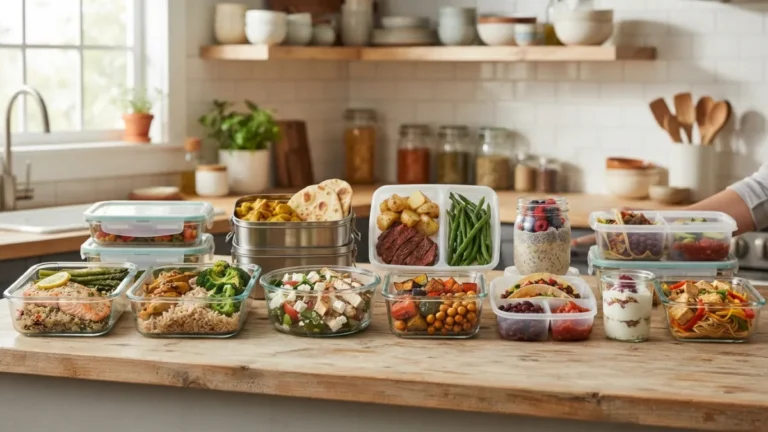
Good containers aren’t just about looking organized on Instagram — they genuinely affect how well your food holds up during the week. Glass containers with airtight lids tend to last longer and don’t stain or absorb smells the way some plastics do, while compartment-style containers are great for keeping sauces separate from grains or vegetables. Freezer-safe containers matter too if you’re planning to batch cook meals for later in the month rather than just the coming week. The right meal prep containers can be the difference between a lunch that still tastes fresh on Thursday and one that’s gone soggy by Tuesday. It is one of those small things that makes sunday meal prep easier to manage overall.
| Container Type | Best For | Notes |
|---|---|---|
| Glass with airtight lid | Reheating in oven or microwave | Durable, doesn’t stain, slightly heavier |
| BPA-free plastic | Lightweight daily lunches | Budget-friendly, check microwave safety label |
| Compartment trays | Keeping components separate | Great for portion control and mixed meals |
| Freezer-safe bags/boxes | Batch cooking for weeks ahead | Label with dates to track freshness |
5. Batch Cook Proteins, Grains, and Vegetables
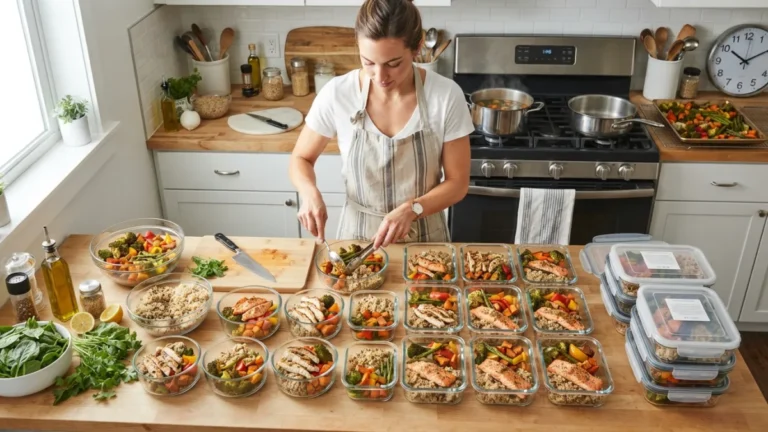
This is where the actual cooking happens, and the trick is thinking in components rather than complete dishes. Roast a couple of trays of vegetables, cook a big pot of rice or quinoa, and grill or bake two or three types of protein — chicken, tofu, or beans, for example. Doing this all at once is far more efficient than cooking separate meals from scratch every single night. Batch cooking tips that genuinely help include using your oven for multiple trays simultaneously, cooking grains in bulk in a rice cooker while you handle the stovetop, and prepping raw vegetables while things are already in the oven so nothing sits idle. Within an hour or two, you’ll have a stocked kitchen full of ready-to-combine ingredients. This is a common part of dealing with sunday meal prep, and it is worth keeping in mind.
6. Assemble and Portion Your Meals
With your components cooked, the next step is dividing everything into individual portions rather than leaving it all in one giant bowl. This matters more than people expect, because pre-portioned meals are far more likely to actually get eaten instead of ignored in favor of takeout. Lay your containers out on the counter and build each one the same way, almost like an assembly line, so every meal gets a fair share of protein, carbs, and vegetables. If you’re prepping for a family, portion by appetite rather than by strict equal servings, since a growing teenager and a toddler clearly need different amounts. This is also a good moment to keep sauces or dressings separate so vegetables don’t turn limp by midweek. You might also find our article on 20 Pantry Staples Every Quick-Cooking Kitchen Needs helpful here. Many people run into this exact issue with sunday meal prep at some point.
7. Store, Label, and Reheat Safely
The final step is often the most overlooked, yet it’s essential for both food safety and taste. Once meals are portioned, refrigerate anything you’ll eat within four days and freeze the rest, labeling each container with the date it was made. Food safety guidance from the Centers for Disease Control and Prevention recommends keeping refrigerated leftovers within safe temperature ranges and using them within a few days to avoid bacterial growth. When reheating, make sure meals are heated evenly and thoroughly, especially rice and chicken, which can spoil faster than other foods if left at room temperature too long. A little diligence here protects both your health and the effort you just put into the whole Sunday meal prep session. Keeping sunday meal prep in mind here will save you time later on.
Making Sunday Meal Prep a Lasting Habit
Like most habits, meal prep gets easier the more you do it, and your very first Sunday session doesn’t need to be perfect. Start with just three or four meals rather than trying to cover an entire week, and build from there once you know your rhythm and preferences. Healthy meal prep recipes don’t have to be complicated either — simple combinations like grilled chicken with roasted vegetables and brown rice, or a hearty bean and vegetable chili, can carry you through several days without feeling repetitive. Over time, you’ll likely develop a small rotation of go-to meals that you can prep almost on autopilot, which is really the whole point of the exercise: less stress, more free time, and fewer rushed decisions about food when you’re tired after a long day. This detail matters more than it seems once sunday meal prep comes up again.
Frequently Asked Questions
How long does Sunday meal prep usually take for beginners?
Most beginners spend around two to three hours on their first few attempts, including planning, shopping, and cooking. This time typically shortens as you get more comfortable with the process and settle into a routine. For a related walkthrough, check out 20-Minute Garlic Butter Shrimp Pasta. It is one of those small things that makes sunday meal prep easier to manage overall.
What are the best meal prep containers for someone just starting out?
Glass containers with airtight lids are a solid starting point since they’re durable, microwave-safe, and don’t retain odors. Compartment trays are also useful if you like keeping different food groups separate. This is a common part of dealing with sunday meal prep, and it is worth keeping in mind.
How many days ahead can I safely prep meals?
Generally, prepped meals stay safe in the refrigerator for three to four days. If you want to prep for a full week, freeze half of your portions and thaw them as needed. Many people run into this exact issue with sunday meal prep at some point.
Can I meal prep if I only have basic cooking skills?
Absolutely. Meal prep for beginners often relies on simple techniques like roasting, boiling, and grilling rather than complex recipes, so a basic skill set is more than enough to get started. Keeping sunday meal prep in mind here will save you time later on.
Is Sunday really the best day to meal prep?
Sunday works well for many people because it precedes the work week, but any consistent day off can work just as effectively. The key is picking a day you can commit to regularly. This detail matters more than it seems once sunday meal prep comes up again.