Cottage Cheese Breakfast Bowls: 4 Easy Ways in 5 Minutes
Most weekday breakfasts fall into two camps: fast but forgettable, or good but too slow. Cottage cheese breakfast bowls break that pattern. You scoop, top, and eat in about five minutes, with no stove, no blender, and no special skills. The base is creamy, mild, and filling, so it works with sweet, savory, and low carb flavors alike. This guide shows four simple bowls you can make with ingredients from a regular grocery run. It also covers how to pick a good tub, what to expect nutritionally, and how to prep a few parts ahead so even your busiest mornings feel under control.
High Protein Breakfast Ideas That Skip the Stove
If you are hunting for high protein breakfast ideas, cottage cheese deserves a spot near the top of your list. It is a soft, fresh cheese made of milk curds, and it is often rich in protein compared with many other morning staples. That matters because a protein-rich breakfast tends to keep you full longer than a plain slice of toast or a sugary pastry. The best part is the flexibility. Cottage cheese tastes gentle on its own, so it takes on whatever you add. Pair it with fruit and it feels like dessert. Add tomatoes and olive oil and it turns into a light lunch-style meal. You can even learn more about the product’s background on Wikipedia’s cottage cheese page, including how it is made and the different styles you may find in stores. If you want to dig deeper, our guide on Cottage Cheese Egg Muffins: 7 Easy Recipes for 2026 covers this in more detail.
Cottage Cheese Nutrition Benefits in Plain Language
Before you build your first bowl, it helps to understand the cottage cheese nutrition benefits you can expect. In general, it offers protein and calcium, two nutrients many people want more of at breakfast. It also comes in several fat levels, so you can choose what fits your taste and goals. Sodium is the main thing to watch, because some tubs contain much more than others. The label tells you the exact numbers for the product in your hand, and the FDA offers a clear guide on how to understand and use the Nutrition Facts label. Cottage cheese also contains lactose, so people with dairy sensitivities should check with a health professional. For general dairy guidance, MyPlate’s dairy page is a useful starting point.
How to Choose the Best Cottage Cheese Brands
The best cottage cheese brands are not always the most expensive ones. Instead of chasing a name, read the label and judge the tub on a few simple points. Look for a short ingredient list, since many good options contain little more than milk, cream, and salt. Compare sodium between two or three products, because the gap can be large. Then think about texture. Small curds feel smooth and spoonable, while large curds taste fresher and a bit chunkier. Fat level also changes the flavor. Full-fat versions taste richer, and lower-fat ones taste lighter and sometimes tangier. Buy a small tub first if you are unsure. Once you find a texture you like, you can stock up with confidence and stop guessing at the dairy aisle.
Four Cottage Cheese Breakfast Bowls, Ready in 5 Minutes
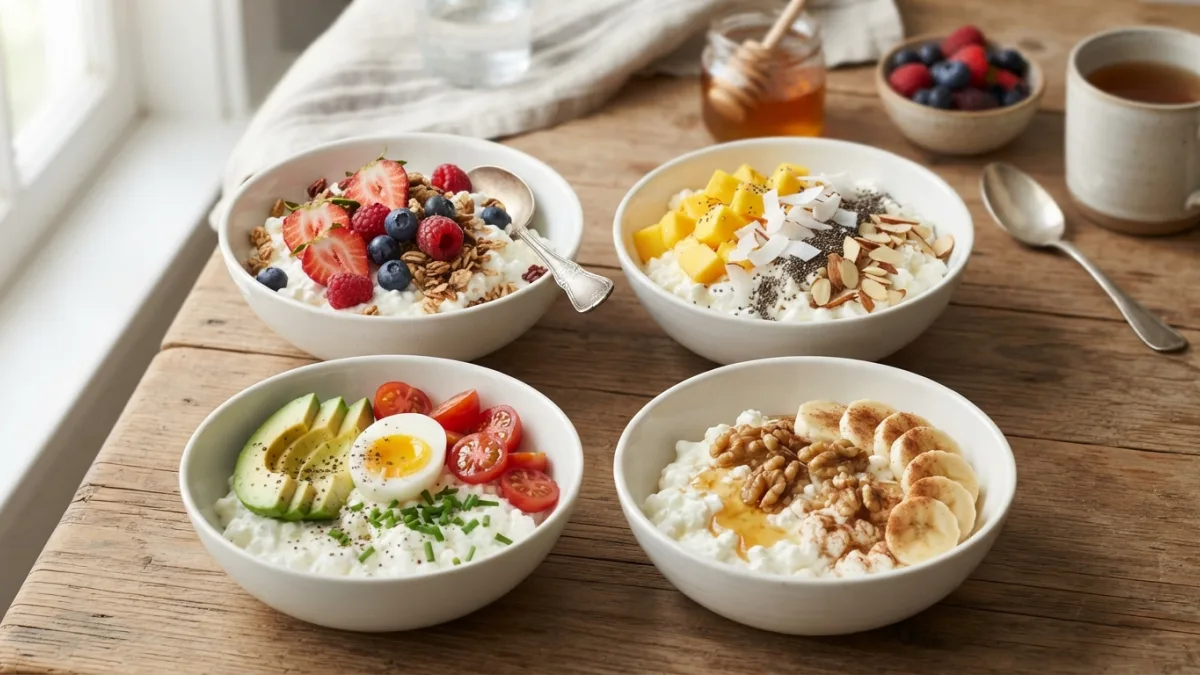
Here are the four bowls, each built on about one cup of cottage cheese. Use a wide bowl so you have room for toppings, and keep a spoon handy for mixing. You do not need to measure exactly. Think of each recipe as a template you can adjust to your pantry, your appetite, and whatever is ripe in your kitchen. These cottage cheese breakfast bowls also work well for beginners, because every step is simple: scoop, add, season, and eat. Start with the flavor that sounds most familiar to you, then try the others as your confidence grows. By the end of the week, you may have a clear favorite and a few personal twists worth keeping. This connects closely with another common issue — see High Protein Breakfasts: 10 Easy Meal Prep Ideas to Try for more on that.
Way 1: Berry Honey Sweet Cottage Cheese Bowl
A sweet cottage cheese bowl is the easiest place to start, especially if you usually eat yogurt. Spoon the cheese into a bowl, add a handful of berries, and finish with a small drizzle of honey. The berries bring a little tartness that balances the creamy base, and the honey ties it all together. A sprinkle of oats or granola adds crunch, which makes each bite more interesting. If your cottage cheese tastes a bit salty to you, a tiny pinch of cinnamon helps soften that edge. This bowl takes about three minutes, so it is perfect for rushed mornings. Taste before you add more sweetener, because the fruit often gives enough on its own.
- 1 cup cottage cheese
- ½ cup fresh or thawed berries
- 1 teaspoon honey
- 2 tablespoons oats or granola
- A pinch of cinnamon
Way 2: Tomato Cucumber Savory Cottage Cheese Bowl
If you prefer salty over sweet, try a savory cottage cheese bowl inspired by simple Mediterranean salads. Chop a small tomato and a few slices of cucumber, then place them on top of the cheese. Add a drizzle of olive oil, a pinch of black pepper, and a few herbs if you have them, such as basil or dill. The cool vegetables make the bowl feel fresh, while the oil adds richness. Taste before you add salt, because cottage cheese already contains some. For extra crunch, add a few toasted seeds or crushed whole-grain crackers on the side. This version feels light but satisfying, and it works well on warm mornings when you want something refreshing.
- 1 cup cottage cheese
- 1 small tomato, chopped
- Several cucumber slices
- 1 teaspoon olive oil
- Black pepper and fresh herbs
Way 3: Tropical Bowl with Cottage Cheese Fruit Toppings
Fruit is where cottage cheese breakfast bowls can get playful. For cottage cheese fruit toppings, think beyond berries. Diced mango, pineapple, kiwi, or banana all work well, and canned fruit packed in juice is fine when fresh fruit is not in season. Drain it well so the bowl does not turn watery. Add a spoonful of shredded coconut and a squeeze of lime for a bright, vacation-style finish. Chopped nuts bring crunch and a little extra staying power. Because tropical fruit is naturally sweet, you can skip added sugar completely. This bowl is also a smart way to use up fruit that is slightly too ripe to eat on its own. You might also find our article on No Cook Meal Prep: 7 Easy Days of Breakfast, Lunch & Dinner helpful here.
- 1 cup cottage cheese
- ½ cup diced mango, pineapple, or kiwi
- 1 tablespoon shredded coconut
- 1 tablespoon chopped nuts
- A squeeze of lime juice
Way 4: Avocado and Egg Low Carb Breakfast Bowl
For a low carb breakfast bowl, lean on healthy fats and protein instead of fruit or grains. Start with cottage cheese, then add sliced avocado and a hard-boiled egg cut in half. Season with pepper, a little chili flakes, and a squeeze of lemon. Pumpkin seeds or chopped almonds add crunch without piling on carbs. Plain cottage cheese usually contains little sugar, but labels vary, so check yours. Flavored tubs often contain more. If you boil a few eggs on Sunday, this bowl truly takes under five minutes on a weekday. It is hearty enough to carry you through a long morning, and it feels more like a plated meal than a quick snack.
- 1 cup plain cottage cheese
- ½ avocado, sliced
- 1 hard-boiled egg
- 1 tablespoon seeds or chopped nuts
- Chili flakes, pepper, and lemon juice
Cottage Cheese Meal Prep for Busy Weeks
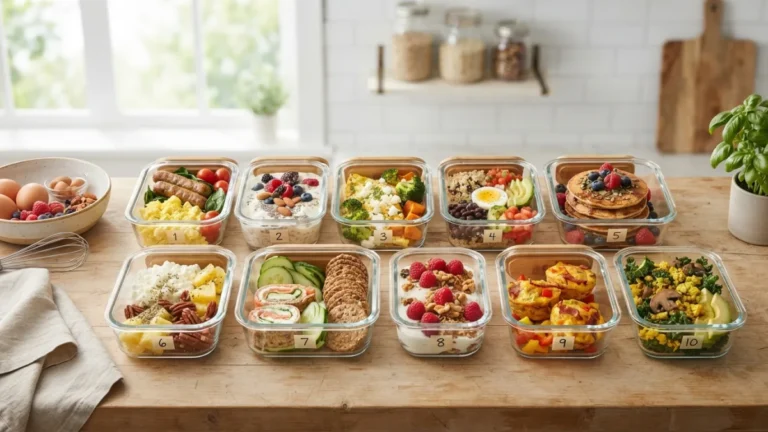
Cottage cheese meal prep is simple because most of the work involves toppings, not the cheese itself. On the weekend, boil a few eggs, wash and chop fruit, and portion nuts or seeds into small containers. Store the cottage cheese in its original tub or in jars, and follow the date printed on the package. Keep wet toppings, like tomatoes and cut fruit, in separate containers so they stay fresh and the cheese does not get watery. Crunchy items such as granola should stay dry until you eat. Then, each morning, you just assemble. This approach keeps your cottage cheese breakfast bowls tasting fresh while saving real time, and it removes the daily question of what to eat.
Final Thoughts on Cottage Cheese Breakfast Bowls
Good breakfasts do not have to be complicated. With a tub of cottage cheese and a few toppings, you can switch between sweet, savory, tropical, and low carb options all week without getting bored. Pick a tub with a label you like, keep a few simple toppings on hand, and treat the recipes above as flexible starting points. If you try one bowl and love it, you have a new default. If not, change the toppings until it suits you. Once you get the rhythm, cottage cheese breakfast bowls become less like a recipe and more like a habit that makes mornings easier. For a related walkthrough, check out Breakfast Ideas Without Eggs: 12 Quick and Easy Options.
FAQ About Cottage Cheese Breakfast Bowls
How long does it take to make a cottage cheese bowl?
Most bowls take three to five minutes. If you prep toppings ahead, such as boiled eggs or chopped fruit, you can finish a bowl in under three.
Can I use low-fat or full-fat cottage cheese?
Yes. Both work in every recipe here. Full-fat tastes richer, while low-fat is lighter. Choose the one you enjoy most and check the label for sodium.
Are cottage cheese breakfast bowls good for weight goals?
They can fit well, since protein helps many people feel full. Portion size and toppings still matter, so watch sugary extras like heavy syrup or large amounts of granola.
Can I make these bowls the night before?
You can prep the parts the night before, but it is best to assemble in the morning. Fruit and vegetables release liquid, which can make the cheese watery.
What if I do not like the texture of cottage cheese?
Try small-curd cottage cheese, or stir it briefly with a fork for a smoother feel. Some people also blend it before adding toppings.

Ghani Mejber — Founder & Lead Editor
Ghani Mejber is a home cook and the creator of The Quick Pantry. He specializes in simple, budget-friendly weeknight meals, one-pot dinners, and reliable meal-prep strategies designed for busy people who want delicious, comforting food without spending hours in the kitchen.