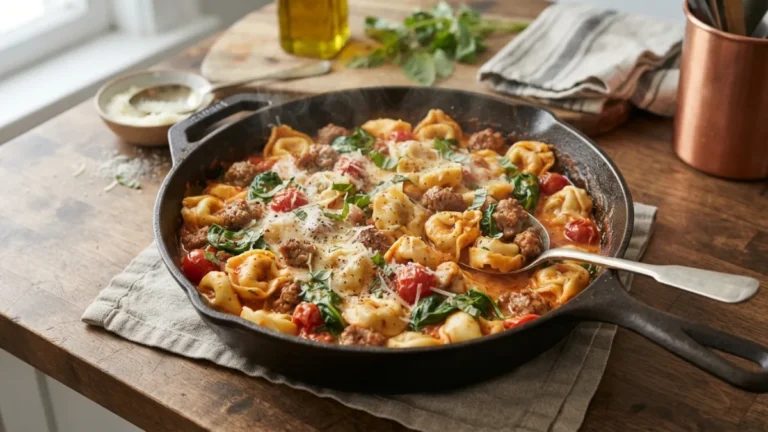

One Pot Chicken Orzo: 5 Easy Tips for a Perfect Dinner
There’s something deeply comforting about a dish that goes from stovetop to table in under 40 minutes, dirtying only one pan along the way. That’s exactly the appeal of one pot chicken orzo, a creamy, spinach-packed dinner that has quietly become one of the most searched weeknight meals online. It combines tender chicken, rice-shaped pasta, and wilted greens in a silky sauce that tastes like it took hours to make. The truth is, it’s forgiving, adaptable, and nearly impossible to mess up once you understand a few key techniques.
What Makes This One Pot Chicken Orzo So Popular
Part of the charm lies in simplicity. Orzo is a small, rice-shaped pasta that cooks quickly and absorbs flavor from whatever liquid surrounds it, which makes it perfect for one-pot cooking. Instead of boiling pasta separately and building a sauce in another pan, everything simmers together, so the starch released by the orzo naturally thickens the broth into something creamy without needing much cream at all. Add in spinach for color and nutrients, and you get a balanced meal that feels indulgent but isn’t heavy. This is why so many home cooks now treat it as their go-to one pot pasta recipe when time is tight but they still want something that feels homemade and satisfying. If you want to dig deeper, our guide on Chicken and Rice: 5 Easy One-Pot Recipes to Make Tonight covers this in more detail.
5 Easy Tips for a Perfect One Pot Chicken Orzo
Getting this dish exactly right isn’t complicated, but small details make a big difference between a bowl of mush and a creamy, well-textured dinner. Below are five practical tips that will help you nail the texture, flavor, and timing every single time you make it, whether it’s your first attempt or your fiftieth.
1. Choose the Right Orzo and Give It a Quick Toast
Not all orzo behaves the same way once it hits liquid, so pick a standard semolina orzo rather than a whole wheat or gluten-free version if you’re new to the dish, since those absorb liquid differently and can throw off your timing. Before adding any liquid, toast the dry orzo in the pot for a minute or two in the leftover fat from cooking the chicken. This small step, similar to how risotto is started, coats each grain and helps prevent clumping later. It also deepens the flavor slightly, giving the final dish a nuttier undertone that plain boiled orzo simply doesn’t have. If you’re curious about the pasta itself, Wikipedia’s overview of orzo explains its origins and common uses in Mediterranean cooking.
2. Sear the Chicken First for Layered Flavor
Resist the urge to skip searing and just toss raw chicken pieces straight into the liquid. Searing chicken thighs or breast chunks in the pot first, until they’re golden on the outside, builds a base layer of flavor that carries through the entire dish. Those browned bits stuck to the bottom of the pot, often called fond, dissolve into the sauce later and add a savory depth that’s hard to replicate any other way. Season the chicken generously with salt and pepper before searing, since this is really your only chance to season the meat directly. Once it’s browned, remove it from the pot temporarily so it doesn’t overcook while the orzo simmers, then stir it back in near the end. This connects closely with another common issue — see One-Pot Pasta: 5 Recipes With Almost No Cleanup for more on that.
3. Add the Spinach at the Very End
Timing matters enormously when working with leafy greens. If you add spinach too early, it turns an unappetizing shade of army green and loses most of its texture. Instead, stir it in during the last two or three minutes of cooking, once the orzo is nearly tender and the sauce has thickened. Fresh spinach wilts almost instantly in a hot pot, so there’s no need to pre-cook it separately. This approach keeps your chicken orzo with spinach looking vibrant and fresh rather than dull, and it preserves more of the nutritional value that comes from quick cooking rather than prolonged boiling.
4. Build Creaminess Without Relying Only on Heavy Cream
A lot of recipes lean entirely on heavy cream for richness, but that can make the dish feel heavy and one-note. A better approach combines a modest splash of cream or half-and-half with freshly grated Parmesan cheese, which melts into the starchy cooking liquid and adds both creaminess and a salty, savory edge. Some cooks stir in a spoonful of cream cheese or mascarpone instead, which creates an even silkier texture with less dairy overall. Whichever route you choose, add the dairy off the heat or on low, since boiling cream too aggressively can cause it to separate and turn slightly grainy rather than smooth.
5. Get the Liquid Ratio Right for Perfect Texture
Orzo generally needs roughly double its volume in liquid to cook through properly, but because you’re also building a sauce, it helps to use slightly less than you would for plain boiled pasta, since the goal is a thick, saucy consistency rather than a soupy one. Chicken broth works best as the primary liquid, since it reinforces the chicken flavor throughout the dish rather than diluting it. Keep the pot at a gentle simmer rather than a rolling boil, stirring occasionally so the orzo doesn’t stick to the bottom. If the sauce looks too thick before the pasta is fully tender, add broth a splash at a time rather than dumping in a large amount at once. You might also find our article on 10 Sheet-Pan Dinners for Busy Weeknights helpful here.
Variations Worth Trying
Once you’ve made the base version a few times, it’s easy to customize it based on what’s in your fridge. Here are a few reliable swaps and additions that keep this spinach orzo recipe feeling new:
- Swap chicken thighs for chicken breast if you prefer leaner meat, just watch the cooking time since breast dries out faster.
- Stir in sun-dried tomatoes or roasted red peppers for a tangy, slightly sweet contrast to the creamy sauce.
- Add mushrooms alongside the chicken for extra umami and a heartier texture.
- Use kale instead of spinach if you want a sturdier green, though it will need an extra minute or two to soften.
- Finish with a squeeze of lemon juice right before serving to brighten the richness of the sauce.
Storing and Reheating Leftovers Safely
This dish keeps well, which makes it a smart choice for meal prep or planned leftovers. Let it cool before transferring to an airtight container, and store it in the refrigerator for up to three or four days. Because orzo continues to absorb liquid even after cooking, leftovers often thicken considerably overnight, so when reheating, add a splash of broth or water to loosen the sauce back to its original creamy consistency. Reheat gently on the stovetop over medium-low heat or in short bursts in the microwave, stirring in between. Since this recipe contains cooked chicken, it’s worth following general food safety guidance from FoodSafety.gov’s storage guidelines to make sure leftovers stay safe to eat.
A Simple, Balanced Weeknight Meal
Beyond convenience, this dish offers a reasonably balanced plate in a single pot: protein from the chicken, carbohydrates from the orzo, and vitamins from the spinach, including iron and vitamin K, nutrients commonly highlighted in resources like Harvard T.H. Chan School of Public Health’s overview of spinach. That combination is part of why so many people search for an easy weeknight dinner that doesn’t require juggling multiple pans or a long list of specialty ingredients. It also reheats well, scales up easily for a family, and can be made lighter or richer depending on how much dairy you use, which gives it real flexibility across different dietary preferences. For a related walkthrough, check out Sheet-Pan Salmon and Vegetables in 25 Minutes.
Final Thoughts on Mastering This Recipe
At its core, this recipe rewards patience with timing more than complicated technique. Sear well, add liquid gradually, and save the spinach for last, and you’ll end up with a bowl that’s creamy, colorful, and deeply satisfying. Once you’ve made creamy chicken orzo a few times, you’ll likely stop measuring exact quantities and start adjusting instinctively based on how thick or thin the sauce looks. That’s really the sign of a good weeknight recipe: one that becomes part of your regular rotation rather than something you need to look up every single time.
Frequently Asked Questions
Can I use a different pasta instead of orzo?
Yes, small pasta shapes like ditalini or small shells can work, though cooking times and liquid amounts may need slight adjustment since orzo cooks faster than most other short pasta shapes.
Is this dish suitable for freezing?
It can be frozen, but the texture of the orzo may become softer once thawed and reheated, since pasta tends to break down more after freezing than fresh vegetables or meat do.
What can I use instead of spinach?
Kale, Swiss chard, or arugula all work as substitutes, though sturdier greens like kale need a little extra cooking time compared to spinach’s near-instant wilt.
How do I keep the sauce from becoming too thick?
Add broth gradually while reheating leftovers, since orzo continues absorbing liquid even after the dish has cooled, which naturally thickens it over time.
Can I make this recipe dairy-free?
Yes, swapping cream and Parmesan for a plant-based cream alternative and nutritional yeast can still produce a rich, savory sauce, though the flavor profile will be slightly different from the traditional version.

Ghani Mejber — Founder & Lead Editor
Ghani Mejber is a home cook and the creator of The Quick Pantry. He specializes in simple, budget-friendly weeknight meals, one-pot dinners, and reliable meal-prep strategies designed for busy people who want delicious, comforting food without spending hours in the kitchen.